
Treatment, Control, and Institutional Power
The Minds of Billy MilliganThis thread follows the struggle over whether William Stanley Milligan’s care will be guided by individualized clinical judgment or by institutional demands for custody and public reassurance.
increasing Bearing strength in each event
 decreasing
Bearing strength in each eventdecreasingA Hospital Instead of Prison

A Hospital Instead of Prison
A clinical alternative
When the legal process requires an evaluation of William’s ability to stand trial, his lawyers worry that he will be sent to Lima State Hospital. They look for a lawful alternative and persuade Harding Hospital to accept him for observation. The choice makes the setting of care a matter of immediate consequence: one institution is feared as dangerous, while another may offer closer, more individualized treatment.
Shared professional responsibility
George Harding initially approaches the diagnosis skeptically, but his observations change his view. Prosecutors, defense counsel, and clinicians take part in the process, and the hospital accepts William partly because both his treatment needs and the profession’s limited knowledge make the case important. The decision is not simply a private medical arrangement; it is a negotiated effort to balance law, care, and risk.
The episode establishes the book’s recurring question about institutional power. Placement determines more than a bed or address: it can shape whether a patient is understood, observed, and treated according to the condition clinicians believe he has. The legal system can make a therapeutic setting possible, but it can also later remove it.
The Court Defines Competence
The Court Defines Competence
A medical judgment becomes legal evidence
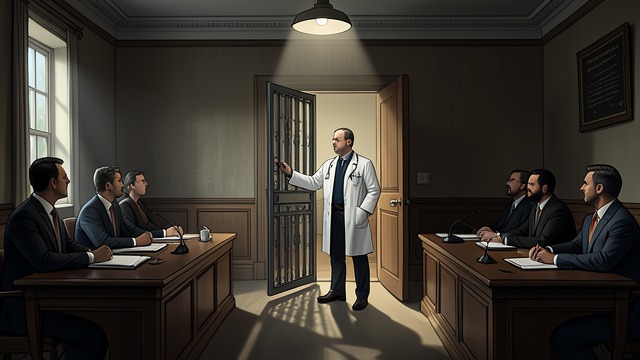
After months of observation and treatment, George Harding concludes that William is competent to stand trial but was mentally ill and not responsible for his conduct at the time of the charged crimes. That distinction separates present capacity from past responsibility. The report becomes a bridge between clinical interpretation and a court required to make a binding legal decision.
A new kind of verdict
The proceeding unfolds under intense publicity, but the parties largely stipulate to the psychiatric evidence rather than contesting whether the crimes occurred. Judge Jay Flowers accepts that, because of mental illness, William could not distinguish right from wrong or refrain from the acts. The ruling makes the case a precedent while transferring the next decision about care to probate jurisdiction.
The legal result does not settle the moral or clinical questions. A verdict can define responsibility for a specific offense, but it cannot ensure that a suitable treatment environment will remain available. The book uses the landmark decision to expose the difference between recognizing illness in court and sustaining care after the courtroom empties.
Open Treatment Meets Public Fear

Open Treatment Meets Public Fear
Privileges as therapeutic trust
At Athens, Dr. David Caul gradually allows Billy to move beyond the ward and, eventually, to leave the grounds without an attendant. The decisions follow a clinical aim: ordinary freedom may help build trust and prepare him for life outside a hospital. Conditions are discussed with officials, and the hospital notifies relevant authorities when he leaves or returns.
The meaning changes in public
When newspaper coverage describes these leaves as allowing a dangerous rapist to roam freely, the same privileges acquire a different meaning. Politicians and readers frame them as failures of public protection. The resulting controversy forces the hospital to restrict Billy’s movement, despite his compliance with the agreed conditions and the clinical support for gradual independence.
The conflict is not reducible to whether safety matters; it concerns who gets to define safety and what evidence counts. The book contrasts a treatment plan built from observation of one patient with a public narrative built around fear of a category. Once the latter dominates, the therapeutic experiment itself becomes harder to conduct.
Ward Five Replaces Dialogue
Ward Five Replaces Dialogue
A crisis becomes a security event
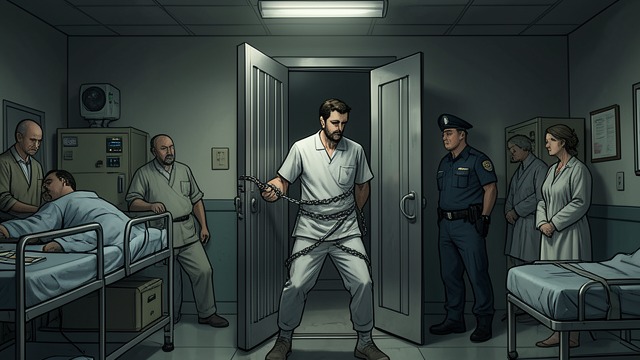
After a suspected medication overdose and a confrontation during the transfer process, Ragen resists being moved to a locked ward. The staff see the broken glass and his threats as immediate danger, while the inner group understands the episode through fear of betrayal, confinement, and the younger people’s vulnerability. Both perceptions matter, but the response quickly becomes a security operation.
Confinement deepens fragmentation
Billy is restrained, medicated, and moved to Ward Five. Inside, the personalities react in different ways: some panic, some fight, and others withdraw. Staff observe what looks like chaotic behavior, while the inner account describes the loss of Arthur’s control and the simultaneous distress of many people.
The episode shows how coercive containment may prevent an immediate injury yet intensify the very disorganization clinicians hope to treat. The book does not erase the staff’s safety concerns; instead, it reveals the danger of treating containment as a substitute for understanding. When dialogue gives way to force, trust and integration suffer together.
Maximum Security and Treatment Disagree
Maximum Security and Treatment Disagree
Transfer under contested procedure
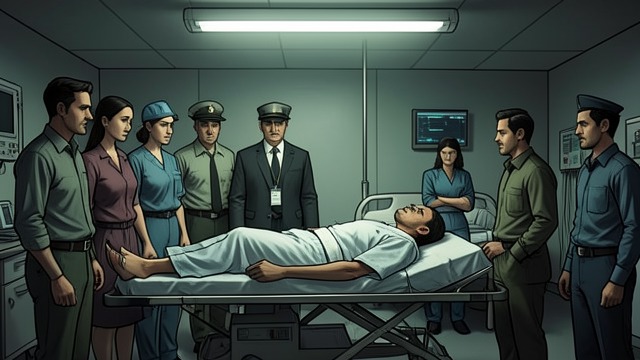
After a dispute involving two women patients and an escape attempt, state officials seek to move Milligan from Athens to Lima State Hospital. The court orders maximum-security placement, and his transfer occurs without the kind of prior notice and participation his lawyers say he should have received. Later, an appeals court identifies serious procedural defects but does not order his return.
Diagnosis versus custody
At review hearings, clinicians with substantial experience in the case defend the multiple-personality diagnosis and argue for treatment suited to it. Lima staff reject or replace that diagnosis, use psychotropic medication, and characterize his conduct as antisocial or psychopathic. A court eventually orders treatment consistent with multiple personality, but the institutional practice described in the book continues to diverge from that requirement.
Repeated hearings make the patient’s future depend on a contest over both expertise and legal authority. The institutions can call their decisions treatment, security, or public protection, yet their choices also determine whether a clinician who accepts the diagnosis can work with him. The thread exposes how legal recognition can be real on paper while practical care remains inaccessible.
March 1978, before the first trial
September and October 1978
Spring 1979 in Athens
April 1979, after the attempted overdose alarm
October 1979 through April 1982
